
✨
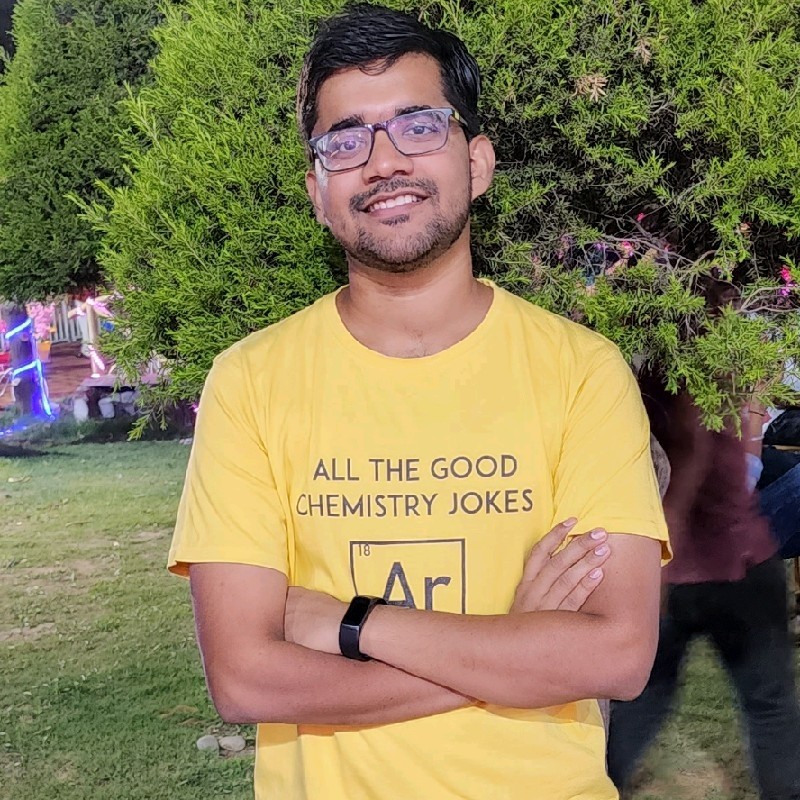
Abhishek Saini is a LinkedIn creator based in Bengaluru, Karnataka, India with 124,000 followers, focused on Upskilling, Personal Development, and Coding Tutorials content. Posts average 646 likes and 0.5% engagement.
Ready to collaborate?Let's give your brand a boost with some creative ways & authentic marketing!
dummy@mail.com
+91 9999999999
🔒
'/%3e%3cdefs%3e%3clinearGradient%20id='paint0_linear_14559_1033'%20x1='1.5'%20y1='38'%20x2='1.5'%20y2='0'%20gradientUnits='userSpaceOnUse'%3e%3cstop%20stop-color='%23E2E8F0'%20stop-opacity='0'/%3e%3cstop%20offset='0.505'%20stop-color='%23E2E8F0'/%3e%3cstop%20offset='1'%20stop-color='%23666666'/%3e%3cstop%20offset='1.0001'%20stop-color='%23666666'%20stop-opacity='0'/%3e%3c/linearGradient%3e%3c/defs%3e%3c/svg%3e)
📌
My Top Links
🫱🏼🫲🏽
Profile Highlights
- 124,000Total Followers
- 647Avg Likes
- 9Avg Comments
- 0.6%Avg Eng.
💭
Engagement Over Time
LatestOldest
📆
My Activity & Engagement Calendar
Engagement:
Low
Below Avg
Above Avg
High
February 2026
M
T
W
T
F
S
S
March 2026
M
T
W
T
F
S
S
April 2026
M
T
W
T
F
S
S
May 2026
M
T
W
T
F
S
S
June 2026
M
T
W
T
F
S
S
July 2026
M
T
W
T
F
S
S
Feb 2026
Mar 2026
Apr 2026
May 2026
Jun 2026
Jul 2026
M
T
W
T
F
S
S
M
T
W
T
F
S
S
M
T
W
T
F
S
S
M
T
W
T
F
S
S
M
T
W
T
F
S
S
M
T
W
T
F
S
S
Hover over cells to see post details and engagement metricsTap cells for details
Total posts: 0
Engagement Levels:
Low
Below Avg
Above Avg
High
💭
Most Engaged Posts
💭
Content Focus
Technology & Software Development
Content Creation & Social Media
Learning & Skill Development
Behavioral Psychology & Decision Making
Productivity & Self-Improvement
👩🏻🤝👩🏼
Last Updated At: 05-05-2026 Audience Types
Top Role
Software Engineer
Full Stack Engineer
System Engineer
Data Engineer
Founder
Top Locations
Greater Bengaluru Area
Greater Delhi Area
Greater Hyderabad Area
Mumbai Metropolitan Region
Noida
Top Seniority
Entry
Senior
Training
Manager
Owner
Frequently Asked Questions
Claim your Free campaign
Work with me via anchors, with no setup fee or commission on this campaign
Ready to collaborate?Let's give your brand a boost with some creative ways & authentic marketing!
dummy@mail.com
+91 9999999999
🔒
'/%3e%3cdefs%3e%3clinearGradient%20id='paint0_linear_14559_1215'%20x1='0'%20y1='1.5'%20x2='174'%20y2='1.5'%20gradientUnits='userSpaceOnUse'%3e%3cstop%20stop-color='%23E2E8F0'%20stop-opacity='0'/%3e%3cstop%20offset='0.505'%20stop-color='%23E2E8F0'/%3e%3cstop%20offset='1'%20stop-color='%23666666'/%3e%3cstop%20offset='1.0001'%20stop-color='%23666666'%20stop-opacity='0'/%3e%3c/linearGradient%3e%3c/defs%3e%3c/svg%3e)
Powered by anchors.in
Influencer?🪄Create your Collab Profile