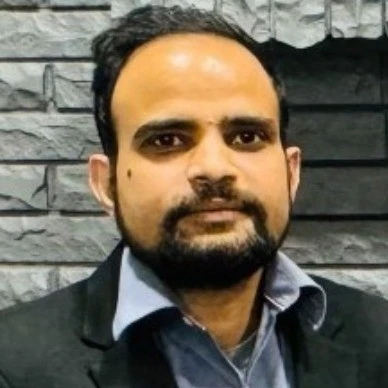
Piyush Ranjan
✨
Piyush Ranjan is a LinkedIn creator based in New York, New York, United States with 29,938 followers, focused on Tech Trends, Innovation, and Upskilling content. Posts average 12 likes and 0.0% engagement.
🤝
4% of my posts go viral. Yours could be next
Ready to collaborate?Let's give your brand a boost with some creative ways & authentic marketing!
dummy@mail.com
+91 9999999999
🔒
'/%3e%3cdefs%3e%3clinearGradient%20id='paint0_linear_14559_1033'%20x1='1.5'%20y1='38'%20x2='1.5'%20y2='0'%20gradientUnits='userSpaceOnUse'%3e%3cstop%20stop-color='%23E2E8F0'%20stop-opacity='0'/%3e%3cstop%20offset='0.505'%20stop-color='%23E2E8F0'/%3e%3cstop%20offset='1'%20stop-color='%23666666'/%3e%3cstop%20offset='1.0001'%20stop-color='%23666666'%20stop-opacity='0'/%3e%3c/linearGradient%3e%3c/defs%3e%3c/svg%3e)
🫱🏼🫲🏽
Profile Highlights
- 29,938Total Followers
- 12Avg Likes
- 3Avg Comments
- 0.1%Avg Eng.
- 1Past Collabs
🫱🏼🫲🏽
Last Updated At: 08-12-2025 My Expertise (2 services)
I can help you build a strong, consistent personal brand that makes people remember you, whether you're job hunting, growing a business, or just starting out online. From positioning to content tone, I help get the basics right.
I’ve helped multiple brands execute successful influencer campaigns by identifying the right narrative, aligning it with audience expectations, and delivering content that performs. From outreach to execution, I bring structure to collaborations, ensuring the campaign feels organic to the audience while delivering on brand objectives.
💭
Engagement Over Time
LatestOldest
📆
My Activity & Engagement Calendar
Engagement:
Low
Below Avg
Above Avg
High
February 2026
M
T
W
T
F
S
S
March 2026
M
T
W
T
F
S
S
April 2026
M
T
W
T
F
S
S
May 2026
M
T
W
T
F
S
S
June 2026
M
T
W
T
F
S
S
July 2026
M
T
W
T
F
S
S
Feb 2026
Mar 2026
Apr 2026
May 2026
Jun 2026
Jul 2026
M
T
W
T
F
S
S
M
T
W
T
F
S
S
M
T
W
T
F
S
S
M
T
W
T
F
S
S
M
T
W
T
F
S
S
M
T
W
T
F
S
S
Hover over cells to see post details and engagement metricsTap cells for details
Total posts: 0
Engagement Levels:
Low
Below Avg
Above Avg
High
💭
Most Engaged Posts
🫱🏼🫲🏽
Last Updated At: 15-05-2026 Collaboration History
💭
Content Focus
Artificial Intelligence
Technology & Software Development
Learning & Skill Development
Operations & Business Processes
💭
Last Updated At: 25-10-2025 Content Formats
Written Content
Memes
Short-Form Videos
Audio
👩🏻🤝👩🏼
Last Updated At: 25-06-2026 Audience Types
Top Role
Software Engineer
Founder
Solutions Architect
Data Engineer
Project Manager
Top Locations
Greater Bengaluru Area
New York City Metropolitan Area
Greater Hyderabad Area
Greater Delhi Area
Greater Chennai Area
Top Seniority
Senior
Entry
Manager
Director
VP
Frequently Asked Questions
Claim your Free campaign
Work with me via anchors, with no setup fee or commission on this campaign
Ready to collaborate?Let's give your brand a boost with some creative ways & authentic marketing!
dummy@mail.com
+91 9999999999
🔒
'/%3e%3cdefs%3e%3clinearGradient%20id='paint0_linear_14559_1215'%20x1='0'%20y1='1.5'%20x2='174'%20y2='1.5'%20gradientUnits='userSpaceOnUse'%3e%3cstop%20stop-color='%23E2E8F0'%20stop-opacity='0'/%3e%3cstop%20offset='0.505'%20stop-color='%23E2E8F0'/%3e%3cstop%20offset='1'%20stop-color='%23666666'/%3e%3cstop%20offset='1.0001'%20stop-color='%23666666'%20stop-opacity='0'/%3e%3c/linearGradient%3e%3c/defs%3e%3c/svg%3e)
Powered by anchors.in
Influencer?🪄Create your Collab Profile